
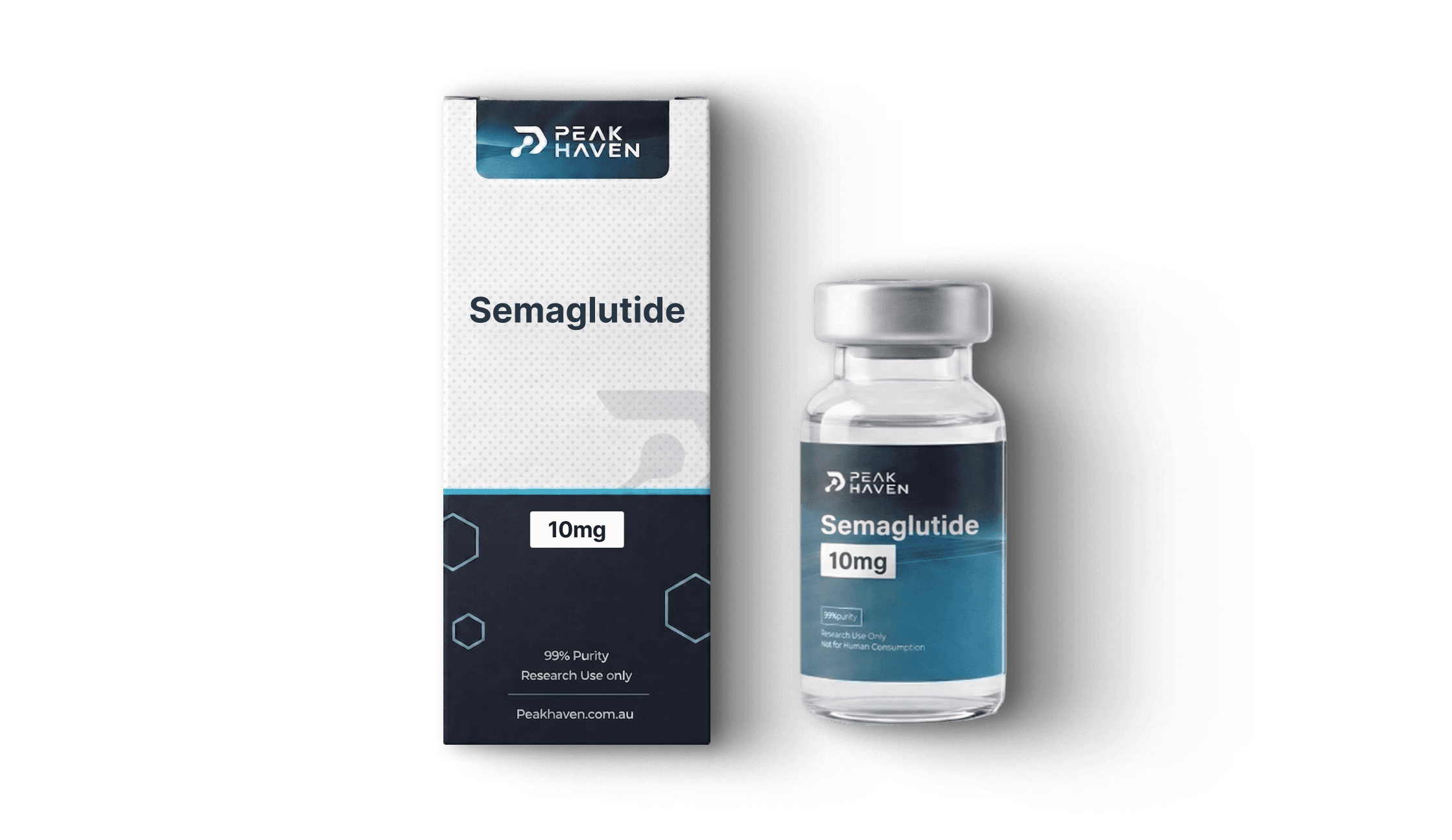
Quantity
Single
Pack of 3
Pack of 6
Semaglutide
Order Now, Ships Today
$115
$100
One-time
Add To Cart
Research Use Only
Research Use Only - All products are intended solely for laboratory research and are not for human or animal consumption. By purchasing, the buyer agrees to use these products in compliance with all applicable laws.
Certificate of Analysis
Certificate of Analysis - Third-party tested for 99% purity, ID, quantity.
Semaglutide
Overview
Semaglutide is a long-acting glucagon-like peptide-1 (GLP-1) receptor agonist developed for the management of type 2 diabetes and obesity. It functions by mimicking the endogenous incretin hormone GLP-1, thereby enhancing glucosedependent insulin secretion, suppressing glucagon secretion, and reducing appetite. Its structural modifications, including acylation with a fatty diacid, allow for a prolonged half-life enabling once-weekly administration.
History
Semaglutide was developed by scientists at Novo Nordisk in the early 2000s as part of a research program to create a long-acting GLP-1 analogue for type 2 diabetes. Building on the experience from liraglutide, researchers focused on modifying the GLP-1 peptide backbone to resist enzymatic degradation and enhance albumin binding. This led to the selection of semaglutide in 2012, which demonstrated a significantly extended half-life and potent activity in preclinical models.
Semaglutide
Structure
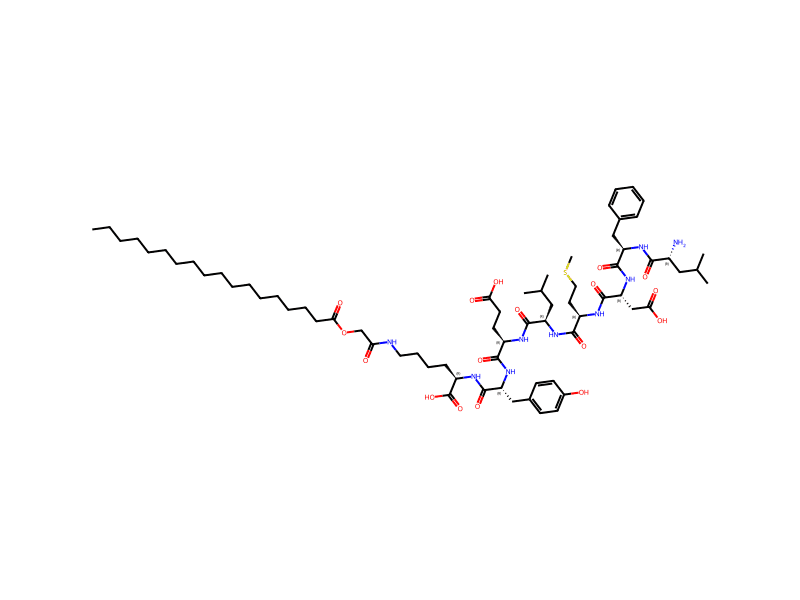
Molecular Formula:
C187H291N45O59
Molecular Weight:
4114.6 g/mol
PubChem ID:
56843331
Research Findings
Semaglutide has been investigated in various preclinical models, demonstrating effects on vascular structure, extracellular matrix, and metabolic pathways. Research indicates that its mechanism of action extends beyond glycemic control, influencing cellular and systemic processes.
Key Areas of Research:
Metabolic: Insulin secretion, glucagon suppression, appetite regulation
Vascular: Endothelial function, vessel permeability, vascular structure
Structural: Extracellular matrix, collagen regulation, tissue remodeling
Systemic: Signaling pathways, inflammation, cardiovascular outcomes
These findings suggest that semaglutide’s therapeutic utility may involve a broad range of biological activities. Its influence on metabolic, vascular, and structural parameters provides a basis for its observed clinical effects in metabolic and cardiovascular diseases.
Our Process



Text us, our dedicated team is here to help
Reach out and get a response within minutes.


Frequently Asked Questions
All products are for research use only. Third-party testes for 99%+ purity.